Microsoft Visual C++ 2010 Redistributable Package (x86) Review- A Critical Security Update
Learn about the Microsoft Visual C++ 2010 Redistributable Package (x86) security update. Discover how it fixes a critical DLL vulnerability and secures legacy applications.
Introduction: The Importance of Keeping Redistributables Updated
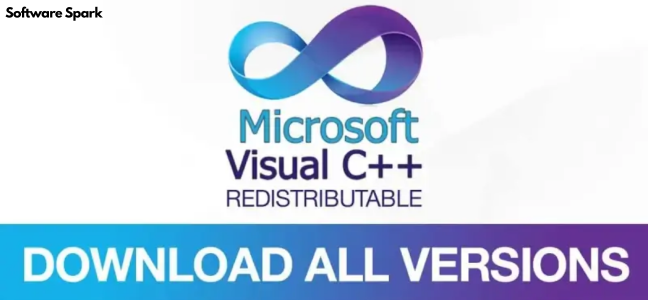
The Microsoft Visual C++ Redistributable Package is a critical component for running many applications on Windows. It provides essential libraries that developers use to build their software. While often overlooked, keeping these redistributables updated is crucial for system stability and security. The Visual C++ 2010 Redistributable Package (x86) security update addresses a specific vulnerability that could put your system at risk. This article explores what this update is, why it’s important, and who needs it.
What is the Microsoft Visual C++ 2010 Redistributable Package (x86)?
The Microsoft Visual C++ 2010 Redistributable Package is a free software component that installs the necessary runtime files for applications built with Visual Studio 2010. Many applications, both old and new, rely on these libraries to function correctly. This x86 version is specifically designed for 32-bit applications, even on 64-bit systems.
The package includes runtime components like the Microsoft Foundation Class (MFC) Library, a standard library used for creating Windows applications. Without these components, applications that depend on Visual C++ 2010 would fail to launch.
The Security Vulnerability: DLL Planting
This specific update is more than just a routine fix. It addresses a security vulnerability known as DLL planting. This vulnerability exists in MFC applications built with Visual Studio 2010.
How DLL Planting Works
A “DLL” (Dynamic Link Library) is a file that contains shared code. When an application needs a DLL, it searches for it in specific locations, including the application’s directory and the system path. An attacker can exploit this by placing a malicious DLL in a location where the application will find it first. This is known as DLL planting.
The vulnerability arises from incomplete DLL path specifications. The MFC libraries were not always specifying the full path, allowing Windows to search for them in insecure locations. An attacker could place a malicious DLL in a user’s temporary folder, and a vulnerable application would load it, potentially executing malicious code.
What the Update Does
This security update fixes the vulnerability by enforcing full path specifications for system and localization DLLs. This prevents Windows from searching for these libraries in insecure locations, effectively blocking DLL planting attacks.
Who Needs This Update?
This update is specifically for applications built with Visual Studio 2010 using the MFC library. If you are an end-user, you may need this update if you run any applications that fit this description. This includes many older business applications and custom-developed software.
Who does NOT need it:
- Users running applications built with newer versions of Visual Studio (2012, 2013, etc.).
- Users who only use applications that do not use the MFC library.
- Users who have already applied this update or a service pack that includes it.
Installation and Compatibility
Installation
The update is straightforward to install via a downloadable executable file. It requires minimal user intervention and may prompt for a system restart to complete the installation.
System Compatibility
The update supports a wide range of Windows versions, including:
- Windows 7
- Windows Vista
- Windows XP
- Windows Server 2003 and later
- Windows 10
Frequently Asked Questions (FAQs)
1. Is the Visual C++ 2010 Redistributable free?
Yes, the Visual C++ Redistributable Package is free to download and use.
2. What is the difference between the x86 and x64 versions?
The x86 version is for 32-bit applications, while the x64 version is for 64-bit applications. If you use both types of applications, you may need to install both.
3. Why is this security update important?
This update fixes a critical DLL planting vulnerability that could allow an attacker to execute malicious code on your system.
4. Do I need this update if I’m not a developer?
Yes, as an end-user, you may need this update if you use applications that depend on the Visual C++ 2010 redistributables. It is recommended to install it to ensure your system is secure.
5. Will this update affect my existing applications?
The update is designed to be transparent and should not negatively affect existing applications. It only patches the security vulnerability.
Conclusion: A Necessary Step for Legacy Security
The Microsoft Visual C++ 2010 Redistributable Package (x86) security update is a critical patch for a specific but significant vulnerability affecting MFC applications built with Visual Studio 2010. It highlights the importance of maintaining even legacy system components, as vulnerabilities in older software can still pose a risk. By applying this update, users can help protect their systems from potential attacks and ensure the continued stable operation of their applications.